Constellation Guides

Practical sky guides for steady learning

Use these guides to orient yourself quickly at the eyepiece: start with tonight’s seasonal sky, identify bright reference stars, and build confidence with simple binocular-friendly routes.

Guides

Constellation learning topics, organized for steady progress

Start with practical sky skills, then move into deeper chart reading. Each guide is concise, visual, and designed for easy field use during evening sessions.

Starter Map
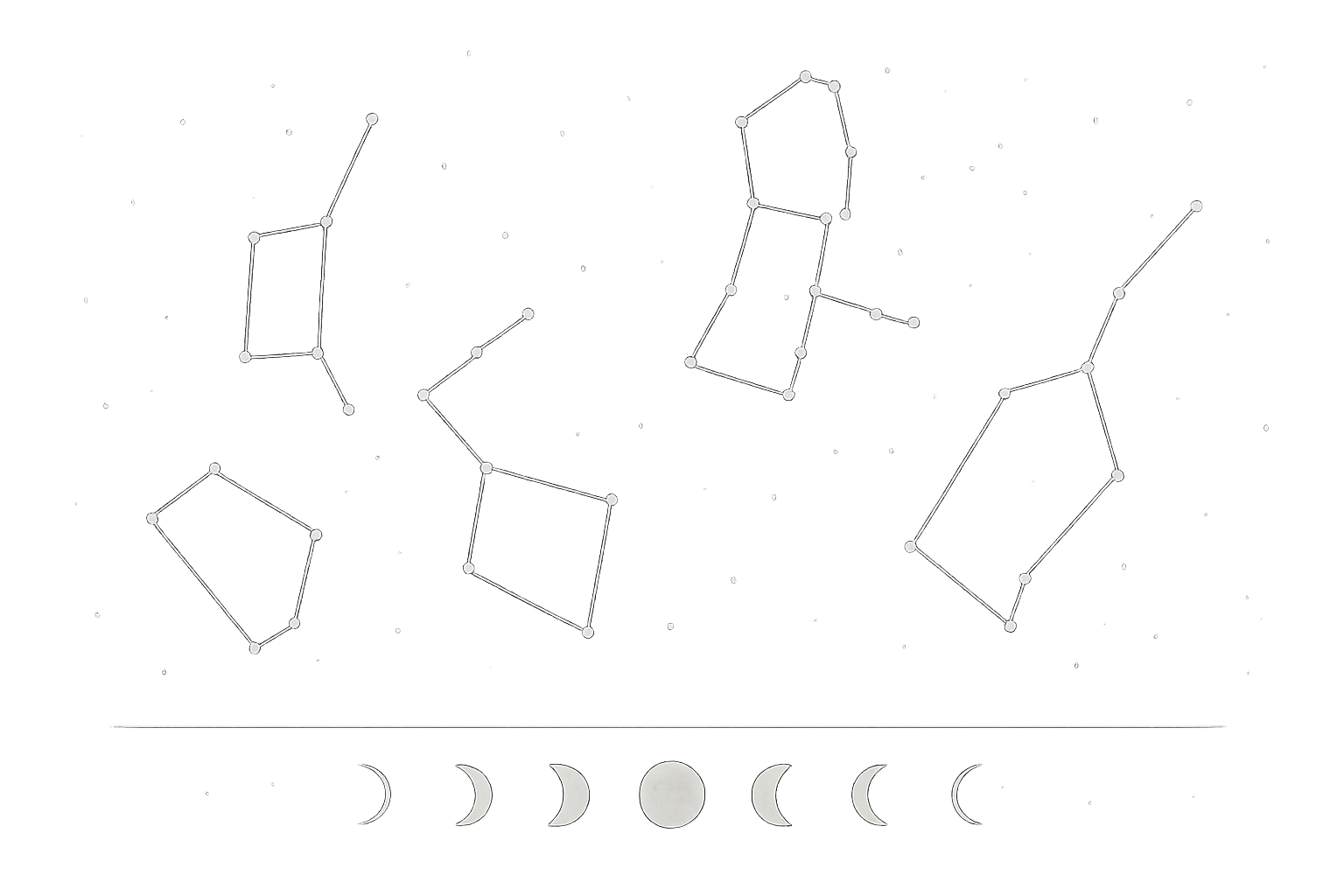
Monochrome star chart showing lunar phase positions beside major seasonal constellations

Moon Phases & Seasonal Constellations

Learn how moonlight affects contrast and which constellations stay easiest to identify across spring, summer, autumn, and winter nights.
Orientation
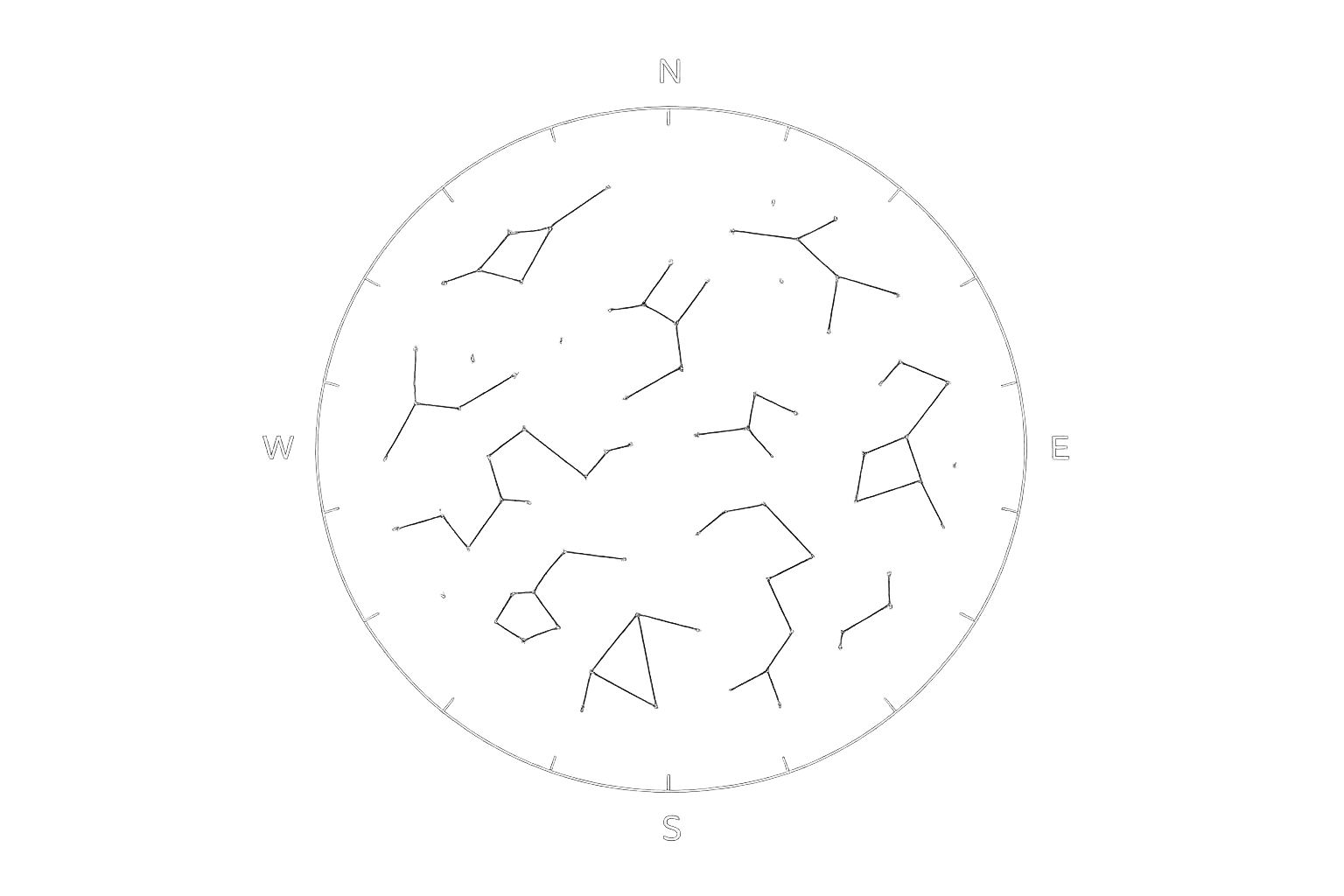
Circular sky-wheel diagram with cardinal directions and month markers for evening orientation

Reading the Sky by Direction

Use horizon markers, cardinal points, and time windows to quickly position yourself before searching for specific star groups.
Constellation Shapes
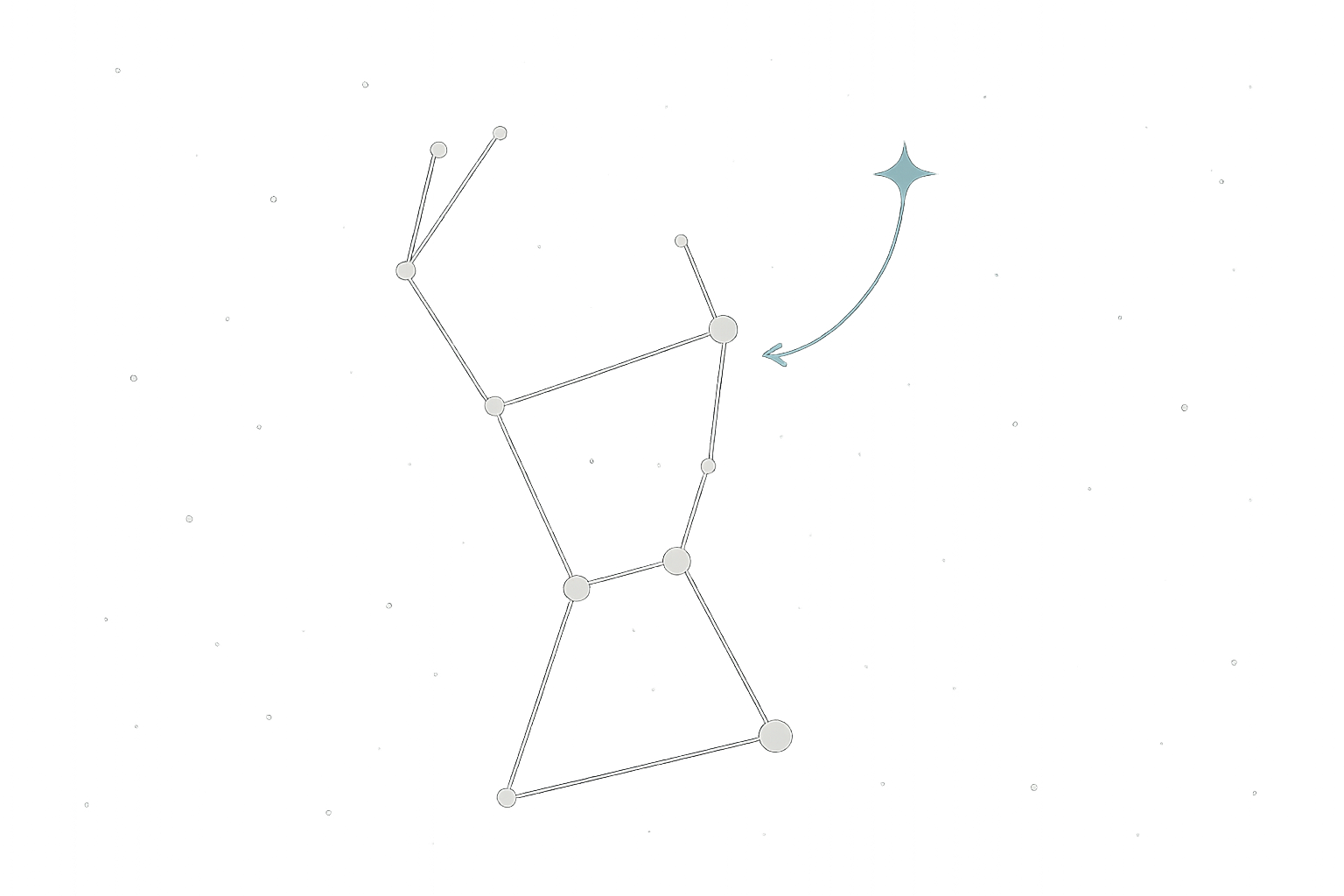
Line-drawn Orion diagram with highlighted belt stars and nearby navigation pointers

Pattern Spotting with Orion

Practice with Orion as a reference shape, then transfer that pattern-recognition method to neighboring constellations.
Planet Paths
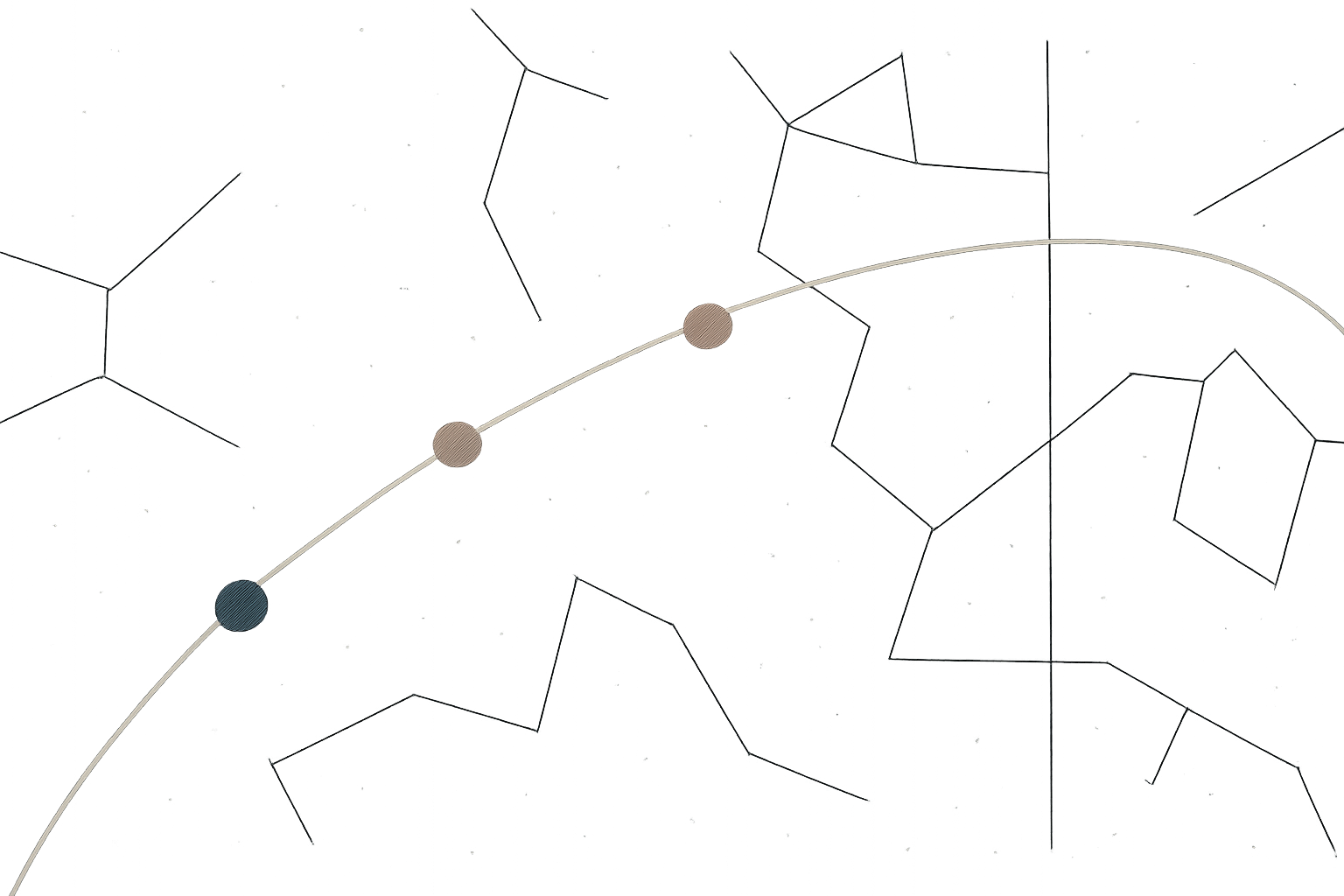
Clean celestial chart tracing ecliptic path with colored markers for visible planets

Tracking Planets Along the Ecliptic

Understand where planets appear relative to constellations and how their positions shift over consecutive observing sessions.
Intermediate Skills
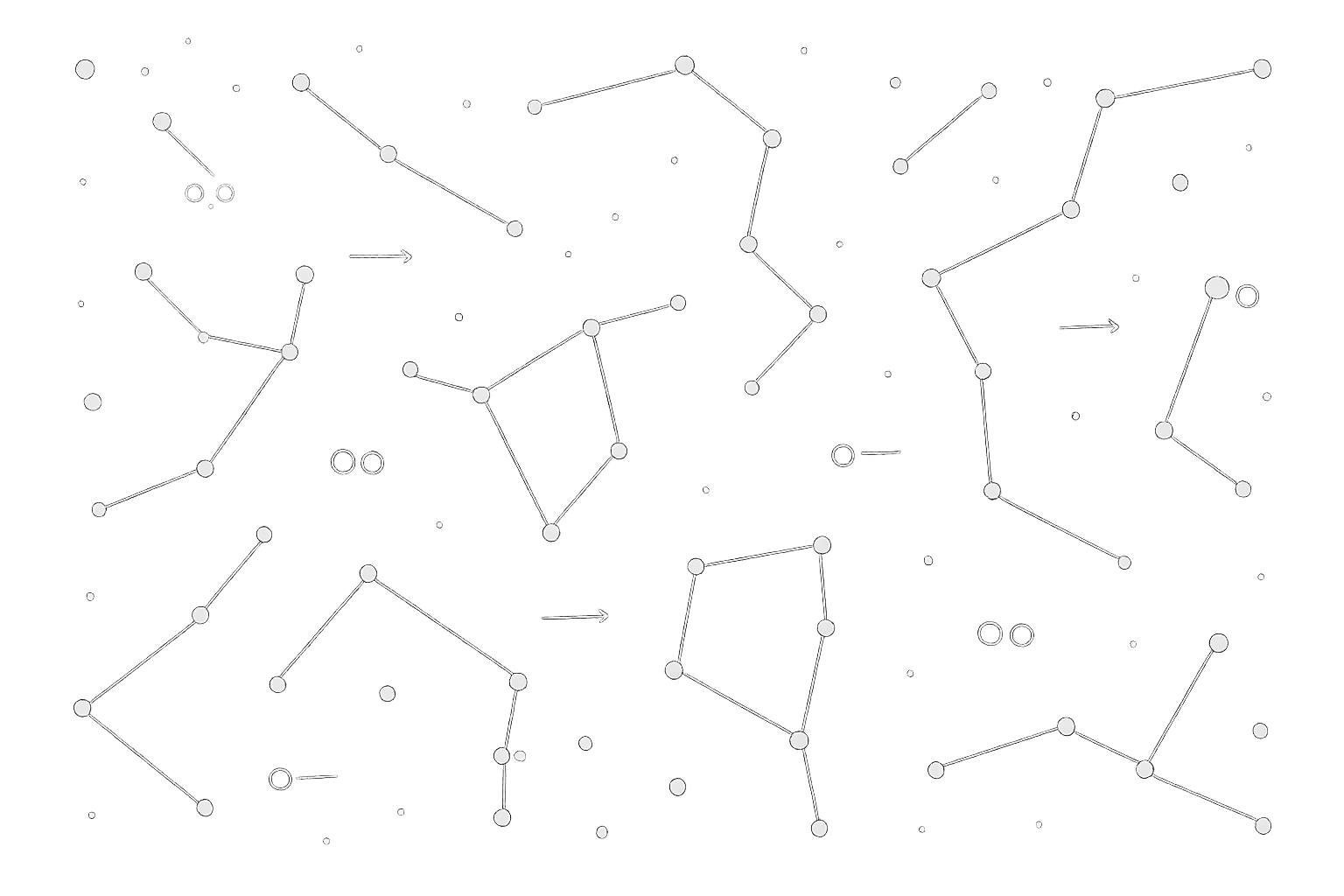
Detailed star-field map with paired-star symbols and magnitude labels for binocular observing

Binary Stars and Brightness Estimates

Build confidence in comparing star brightness and identifying well-known binary pairs using binocular-friendly chart overlays.
Deep Sky Basics
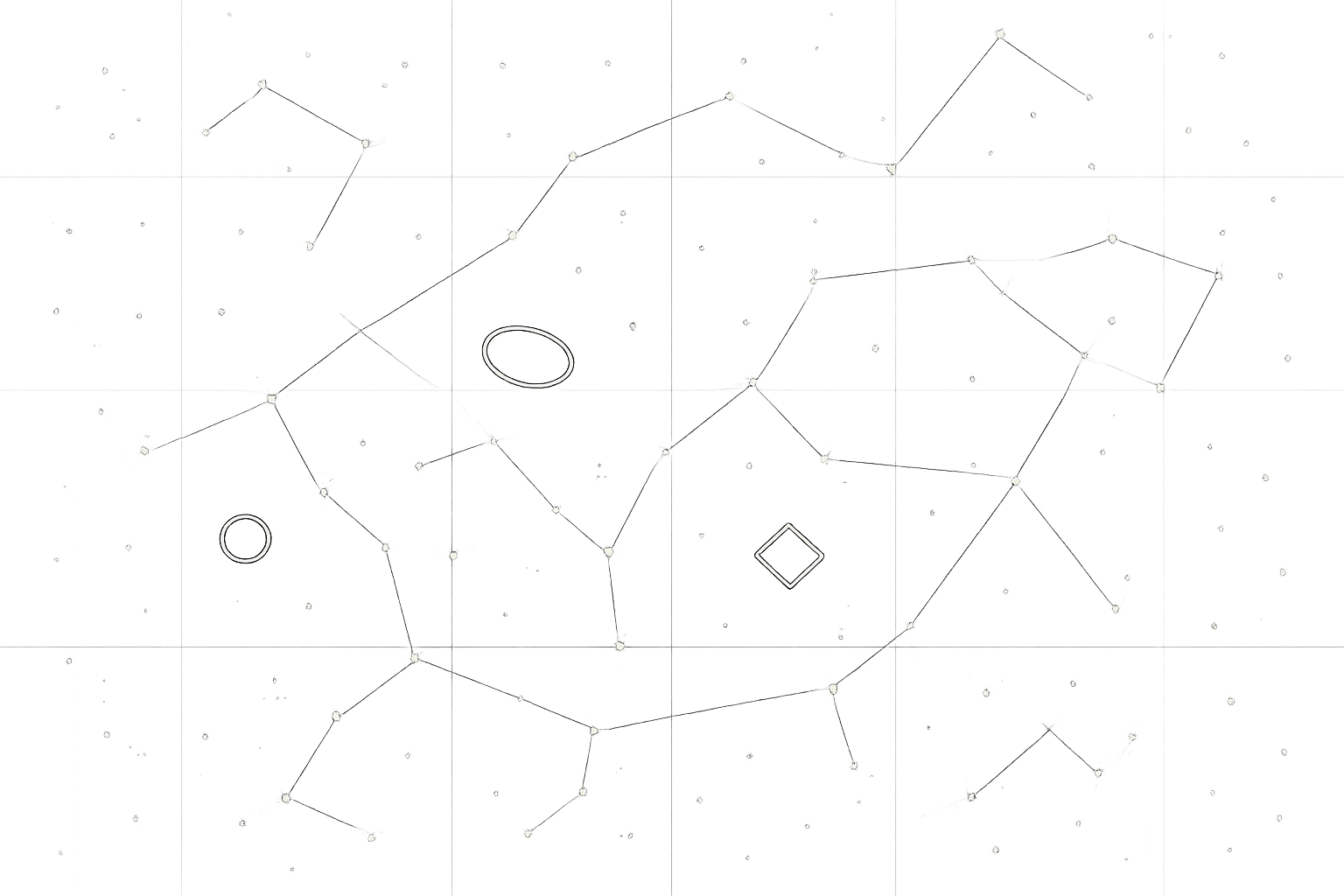
Minimal constellation grid marking Messier objects with compact annotation symbols

First Deep-Sky Object Routes

Follow short star-hop paths to beginner-friendly nebulae and clusters with notes tailored for small telescopes.

Guides FAQ

Start observing with confidence

Quick answers to common beginner questions so you can use our guides, read the sky, and join meetups with ease.

Where should I start if I am new to astronomy?
Begin with the current moon phase, one bright planet, and 2–3 easy constellations from our Guides page. Short, repeated sessions are more useful than trying to learn everything at once.
What equipment helps most at the beginning?
A red-light flashlight, warm layers, and a simple star map are enough to begin. Binoculars are usually the best first optical tool before investing in a telescope.
How do I read a star map without getting lost?
Match the map date and time first, then face north and locate one bright anchor star. Use nearby patterns to step outward instead of scanning the whole sky at once.
What viewing conditions are best for clear observations?
Look for dark skies, low cloud cover, and steady air. Nights near new moon are ideal for faint objects, while planets and the moon can be observed well even from brighter locations.
What should I expect at a club meetup?
Meetups are relaxed and beginner-friendly. We begin with a short sky plan, share telescope views, and leave time for questions. Bring warm clothing and arrive a little before twilight.